Fields vs. Curated Venues at Round Top: Which Shopping Style Is Right for You?
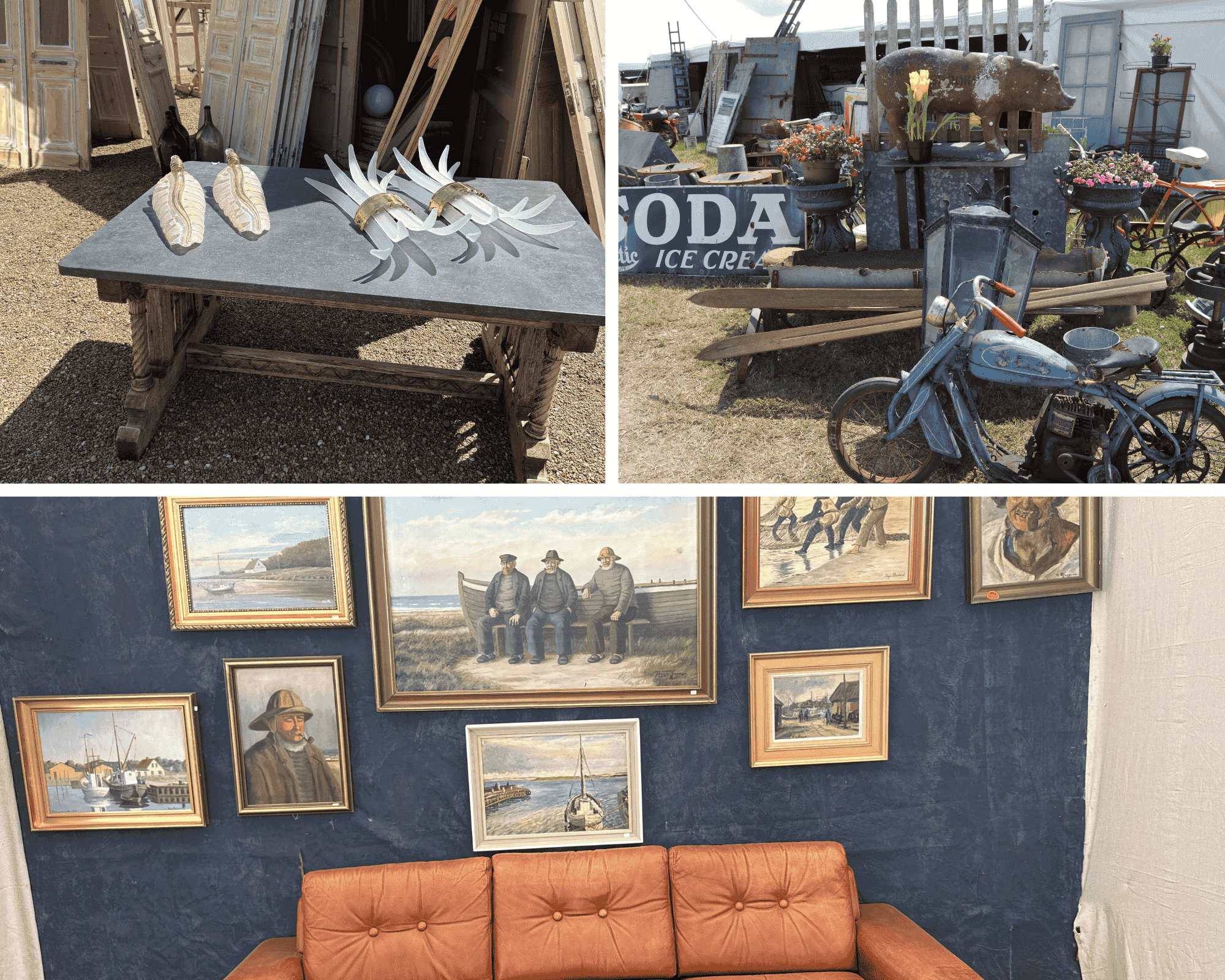
Round Top is not one antique show. It is two completely different shopping experiences that happen to share the same 11-mile stretch of Texas Highway 237. On one end, you have air-conditioned buildings with styled vignettes, real restrooms, and price tags that make you blink. On the other, you have wide-open fields where vintage treasures sit in cardboard boxes on the ground, cash is king, and the thrill of the dig is half the point. Understanding the difference between curated venues and field shopping is the single most important thing you can do before your first (or fifth) trip to Round Top.
This guide breaks down both experiences in detail so you can plan your route, set your budget, and walk away with exactly the kind of finds you came for.
What Are "Curated Venues" at Round Top?
Curated venues are the polished, permanent or semi-permanent shopping destinations where vendors invest heavily in presentation. Think climate-controlled buildings, beautifully merchandised booths, good lighting, and pieces that are cleaned, restored, and staged to look like they belong in a shelter magazine spread.
The major curated venues include:
Marburger Farm -- The flagship. $15 admission per person. Multiple massive tents and buildings. Opens only during the final week of each show season, making it the most anticipated venue on the calendar. European antiques, high-end furniture, designer-quality lighting, and statement pieces. As one YouTuber put it after initially resisting: "Everything I said about Marburger, just disregard. It's actually incredible. We had the best time."
Blue Hills -- Free admission. A sprawling campus of barns and buildings with vendors ranging from European antique specialists to rug dealers to jewelry vendors. One visitor described it as a place where "you can easily spend a whole day just here." Rick Ing Thon Antiques, a 15-year veteran of Blue Hills, travels to Europe six times a year to stock his barn with French, Swedish, and Italian pieces.
Market Hill -- Free admission. Large metal buildings housing curated dealer spaces. Heavy on European imports, religious antiques, and high-end furniture. One dealer's 18th-century French piece was marked at $7,500, and that was considered mid-range for the venue.
Big Red Barn -- $10 admission. Beautiful European antiques in a well-appointed setting. As one repeat visitor noted: "If you can't afford very beautiful European antiques, this is not really the stop for you. That place costs $10 to get in, but it's a really good first introduction to Round Top and kind of what the vibe is."
What to Expect at Curated Venues
The experience at a curated venue feels closer to walking through a high-end design showroom than picking through a flea market. Vendors have invested in their displays: candles are lit, furniture is arranged in room-like vignettes, and smaller items are grouped with intention. One shopper captured it perfectly: "The antiques in here are a little on the pricier side, but extremely well curated."
Another visitor offered a reliable sniff test for pricing: "If it looks like a store and it's curated and beautiful and it smells really good -- because if it smells really good, you're like, 'We should turn around' -- their pricing is pretty firm and it's pretty high."
You will find real restrooms (not porta-potties), food vendors on site, air conditioning in many buildings, paved or well-maintained walkways, and ample signage. Credit cards are widely accepted. The overall vibe is comfortable, social, and browsable even if you never buy a thing.
Typical price range at curated venues: Smalls from $50-$500. Furniture from $800-$15,000+. Statement pieces and fine European antiques from $2,500-$25,000+. At Tomlinson Antiques in Blue Hills, a 17th-century Italian ebonized piece with semi-precious stone inlay was priced at $25,000. A pair of 19th-century monumental urns from Palm Beach: price available on request.
What Are "The Fields" at Round Top?
The fields are the open-air, outdoor venues -- mostly concentrated in the Warrenton area -- where the atmosphere shifts dramatically from showroom to treasure hunt. Here, vendors set up under tents, in open fields, and along the highway. Merchandise is less styled, more piled, and the prices drop accordingly.
The major field venues include:
Bar W Field -- The largest outdoor shopping venue at Round Top, with free parking. Vendors are spread across a massive field with everything from antiques to rusty junk to stained glass to architectural salvage. As Lady Mary Beth described it: "It is truly a treasure hunt with the largest outdoor shopping experience during the Round Top Antique Show weeks."
Excess I and Excess II -- These are the venues that experienced dealers and flippers hit first. More on why in a moment.
Chicken Ranch -- Another field venue with a similar dig-through-the-pile atmosphere and budget-friendly pricing.
Tent shows along Highway 237 -- Pop-up vendors set up along the main road through the show corridor. These tent dealers are often traveling vendors who came specifically for show season and want to move inventory before they leave.
What to Expect at Field Venues
The field experience is the polar opposite of curated shopping. You are outdoors. The ground may be muddy if it has rained. Restroom facilities are porta-potties. Shade is not guaranteed. You will want closed-toe shoes, sunscreen, a hat, and a good attitude about getting your hands dirty.
But the payoff is real. One visitor summed up the draw: "Today I'm really excited because we are going to the fields, which is going to be more of like junkin' and picking, which is the type of stuff that we like to do. So hopefully we find some really good pricing."
At Bar W Field, Lady Mary Beth found a $10 coin silver cake server -- "one of my best finds during the show." Pressed glass pitchers, vintage hardware by the bucket, stained glass panels, and architectural salvage are all part of the mix. Another shopper described going back to the fields multiple times: "I went back several times but they had just bucket after bucket filled with hardware, drawer pulls, and they're just rusty and chunky furniture hardware."
Typical price range at field venues: Smalls from $1-$50. Vintage glassware from $3-$40. Furniture from $50-$800. Architectural salvage varies wildly. Cash gets you the best deals, and most field vendors prefer it.
The Markup Controversy: Same Piece, Triple the Price
Here is the part of Round Top that nobody puts in the glossy brochure but every seasoned shopper knows.
Some vendors at curated venues source their inventory from the fields. They shop Excess I, Excess II, and other field venues early in the show season, buy pieces at field prices, and then display them in their own curated booths at a significant markup.
One couple visiting Round Top documented this openly: "They went in and bought all the stuff from other people and are selling it there for three times the price." The same shopper elaborated: "The vendors do shop other areas and then bring it back to theirs and sell it for triple, which is not -- I mean, you can do that. There's nothing wrong with that."
Another visitor who arrived at the beginning of the week, before the curated venues had opened, observed the same pattern firsthand: "A few locals gave us the skinny and said the vendors come to them and purchase items at the beginning of the week and then they take them back to the Marburger tents and list them for double and triple the price."
Is this shady? Not really. It is how every antique market in the world works. The curated vendor is adding value through curation, presentation, and convenience. They cleaned the piece, staged it beautifully, and put it in an air-conditioned building where you can browse comfortably. You are paying for that service.
But if you have the time, the knowledge, and the willingness to dig, you can find those same pieces yourself at field prices -- before they get picked over. The key is knowing where to look and showing up early.
Use the Round Top Finder map to plot your route from fields to curated venues so you can compare pricing in real time.
Price Comparison: What the Same Item Costs at Different Venues
To make this concrete, here is what you can expect for similar categories of items across venue types:
| Item Category | Field Price Range | Curated Venue Price Range |
|---|---|---|
| Vintage pressed glass pitcher | $8-$25 | $35-$85 |
| Stripped wood nightstand | $75-$250 | $350-$800 |
| Antique European dining table | $400-$1,200 | $1,500-$5,000 |
| Pair of antique leather chairs | $200-$600 | $800-$2,500 |
| Architectural stained glass panel | $50-$300 | $200-$900 |
| Vintage hardware (drawer pulls, knobs) | $1-$5 each | $8-$25 each |
| Antique rugs (small/medium) | $100-$500 | $400-$2,000+ |
These are general ranges based on what shoppers have reported across multiple show seasons. Actual prices vary by vendor, condition, provenance, and how late in the show season you are shopping.
Who Should Go Where: A Personality Guide
Interior Designers and Stylists
Start at curated venues. Marburger, Blue Hills, and Market Hill are where you will find the most photogenic, client-ready pieces. The styling inspiration alone is worth the trip. One designer who drove 20 hours with a car hauler described the curated venues as "extremely well curated" with pieces that were "really pretty to look at." If you are sourcing for a specific project, the curated venues save you time because the vendors have already done the editing for you.
That said, do not skip the fields entirely. Some of the most unique, one-of-a-kind pieces -- the ones that make a room feel collected rather than catalog-ordered -- are hiding in the fields.
Flippers and Resellers
Go straight to the fields. If your business model depends on buy-low-sell-high, the math only works at field prices. The rusty hardware buckets at Bar W, the unrestored furniture at Excess, the vintage smalls that just need cleaning -- this is where your margins live. One furniture flipper described finding "bucket after bucket filled with hardware, drawer pulls" that were perfect for restoration projects.
Show up during the first weekend when selection is best and field vendors are still fully stocked.
Budget Shoppers and First-Time Collectors
Fields first, then curated for inspiration. If you are working with a limited budget, field venues will stretch your dollars two to three times further. You can furnish a room with character pieces from the fields for what one statement item costs at a curated venue.
One visitor who had been to Round Top three times and had never made it to the fields admitted: "I have never made it out to the fields, which is in Warrenton, which is where all the more flea market, very affordable price points are." Do not make that mistake. The fields are where the real deals live.
Inspiration Seekers and Design Enthusiasts
Curated venues are your playground. Even if you buy nothing, walking through the styled spaces at Marburger, Blue Hills, and the Compound is like attending a free masterclass in interior design. The vignettes show you how to mix periods, pair textures, and create collected-over-time rooms. As one visitor noted: "It was merchandised so beautifully that there's so much inspiration there."
First-Timers
Do both. Seriously. Start your morning at a field venue to calibrate your eye and get a sense of baseline pricing. Then move to a curated venue in the afternoon. The contrast will teach you more about antiques and vintage in one day than months of browsing online.
The Compound: The Best of Both Worlds
If you want a single venue that bridges the gap between field energy and curated polish, The Compound is your answer. Free admission. A mix of curated shops in restored barns alongside more casual vendor spaces. Price points range from accessible to investment-level.
One couple who had been shopping all weekend found The Compound to be a reliable middle ground: "Most of it was very expensive, very curated, really pretty to look at, but really expensive. But we found -- you just really never know pricing because out of all of those like more expensive booths, there was like a tent that had things for like the cheapest prices we've seen all weekend."
The Compound also houses shops like Pascal Home for industrial design pieces, Tequila of France for French antiques, and rotating vendors in tents who price to move. Another pair of shoppers spent "three plus hours at the Compound and I guarantee we did not see everything."
It is the venue we recommend for anyone who only has half a day and wants a taste of the full Round Top spectrum.
Insider Tips for Working Both Sides
1. Shop the Fields First, Then Go Curated
This is the single best strategy for Round Top. Hit the fields in Warrenton in the morning when you are fresh and the light is good. Take notes on pricing. Then head to the curated venues in the afternoon. You will have a much better sense of whether that $1,200 table at Blue Hills is a fair price or whether you saw something comparable at Bar W for $400.
2. Come the Last Weekend for Field Deals
Field vendors do not want to pack unsold inventory back into their trucks. The final days of each show season bring the deepest discounts. As one veteran shopper observed about tent vendors: "If you see a tent, they don't want to take that stuff back with them." Prices become more negotiable, and some vendors will make deals they would have refused during opening weekend.
3. Bring Cash for the Fields
Many field vendors prefer cash and some offer better prices for it. A few charge extra for card transactions. Come with a cash budget specifically for field shopping and keep your cards for the curated venues where credit is standard.
4. Wear the Right Shoes
This sounds minor until you are ankle-deep in a muddy field in your nice loafers. One shopper at the Compound had to swap into flip-flops mid-day: "My feet hurt so bad. I wore my loafers, but it's too much walking." For fields, wear boots or sturdy closed-toe shoes you do not mind getting dirty.
5. Use Round Top Finder to Plan Your Route
With venues spread across 11 miles, driving between stops is unavoidable. Use the Round Top Finder map to plot your day by location rather than bouncing back and forth across the highway. Group your field stops together and your curated stops together to save time and fuel.
6. Arrive Early, Especially for Marburger
Marburger opens later in the show season than other venues, and the best pieces sell fast. One couple learned this the hard way: "They were sold. They were sold the first day. You got to get there early. It's competitive." If Marburger is on your list, be there when the doors open.
7. Do Not Be Afraid to Negotiate
Negotiation is expected at both field and curated venues, but the dynamics differ. At fields, a straightforward cash offer below the asking price is standard. At curated venues, negotiation is more subtle -- ask if there is a "show price" or if the vendor can do better on a piece that has been there for multiple seasons. One dealer at Blue Hills had a French piece at $2,450 that had "been here for two or three seasons, so probably do a good deal if you're interested."
Frequently Asked Questions
Do I need to pay admission at Round Top?
Most venues are free. The notable exceptions are Marburger Farm ($15 per person) and Big Red Barn ($10 per person). All field venues like Bar W Field, Excess, and Chicken Ranch are free to enter. Free parking is available at most field venues.
Which Round Top venues are best for beginners?
Start with The Compound for a manageable mix of curated and casual, then visit Blue Hills for a broader curated experience. If you want to try the fields, Bar W Field is the most accessible and largest outdoor venue.
Is it true that curated venue vendors buy from the fields?
Yes, this is well-documented and openly discussed by Round Top regulars. Some vendors at curated venues source pieces from field venues early in the show season and resell them at a markup of two to three times the original price. This is standard practice in the antique world -- the curated vendor adds value through selection, restoration, and presentation.
What should I bring to shop the fields at Round Top?
Cash (many field vendors prefer it), comfortable closed-toe shoes or boots, sunscreen, a hat, a wagon or cart for carrying finds, water, and a measuring tape. Phone reception can be spotty, so download the Round Top Finder app with offline maps before you go.
When is the best time to get deals at Round Top?
The last weekend of each show season offers the best pricing, especially at field venues and tent vendors who do not want to haul unsold inventory home. For the best selection, the first weekend is ideal but prices are firmer. The sweet spot is mid-week of the final week -- good selection with increasing willingness to negotiate.
Are the fields open the entire show season?
Field venues and tent shows along Highway 237 generally open earlier and stay open longer than curated venues like Marburger. Many field vendors in Warrenton set up a week or more before the curated venues open. Check the Round Top Finder venue directory for specific dates each season, as schedules shift from year to year.
Can I use a credit card at field venues?
Some field vendors accept cards, but many prefer cash and a few charge a small fee for card transactions. Curated venues almost universally accept credit cards. Your safest bet is to bring cash for the fields and use cards at the curated venues.
How much time should I budget for Round Top?
A single day is not enough to see everything, but it can give you a solid taste if you plan well. Budget at least a full day for curated venues and a full day for fields. Serious shoppers plan three to five days. As one repeat visitor admitted: "Every time I don't have enough time. Every time I don't get to do as much as I would like to do."
Ready to plan your Round Top trip? Use Round Top Finder to browse every venue, filter by shopping style, and build your custom route on the interactive map. Whether you are a field digger or a curated-venue browser, we will help you find exactly what you are looking for.