How to Care for and Display Antique Quilts (And Why They Belong on the Bed)
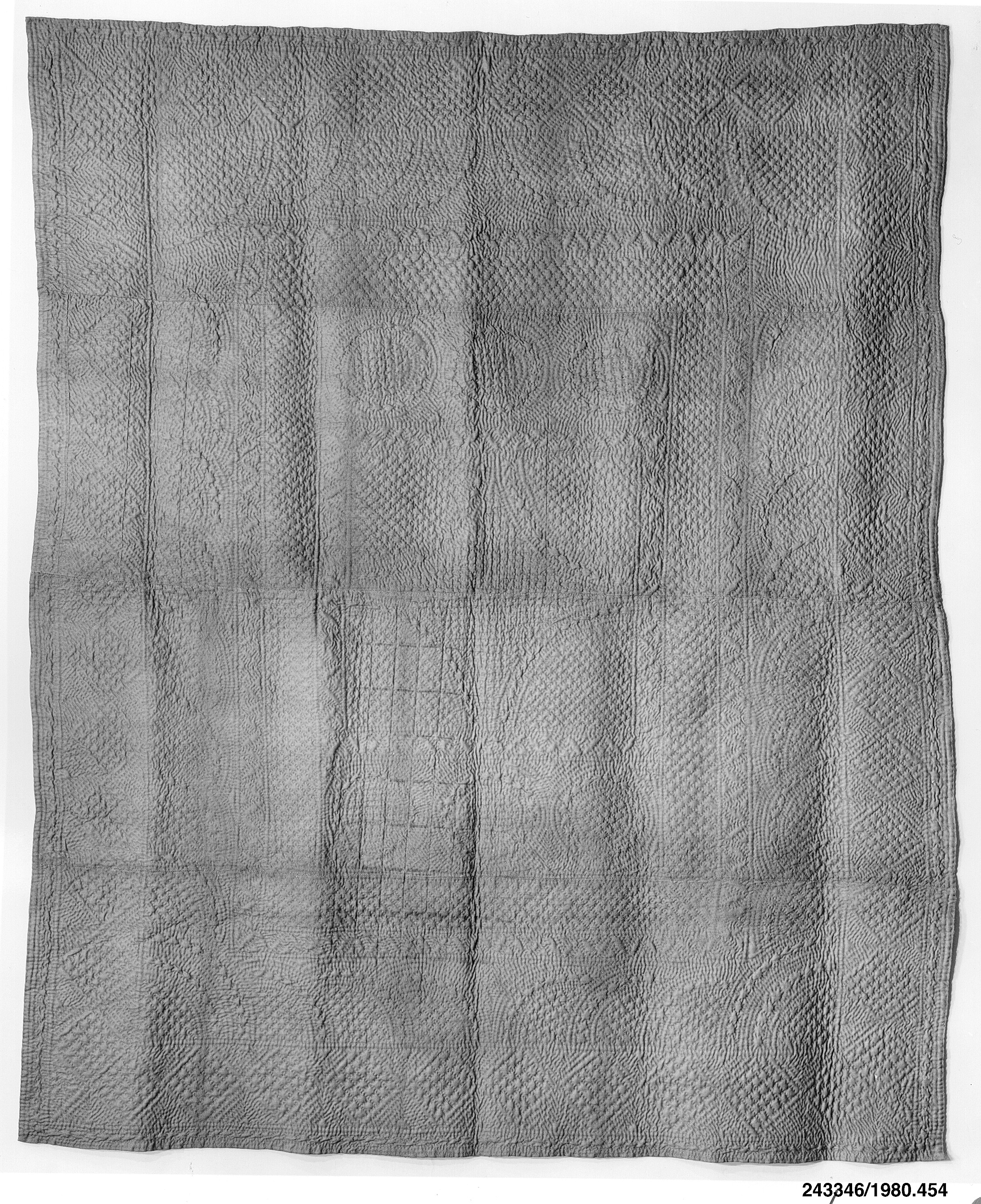
Here's the paradox of antique quilts: the ones in museum collections are mostly the ones that were never used. Show quilts made for display and for 19th-century quilting competitions, kept folded in linen closets, handled only with clean hands. Those survived.
The everyday quilts, the ones that got loved and used, are the ones with the stories. They're also the ones that fell apart.
When you bring a quilt home from Round Top, you're standing in the middle of that tension. You want to preserve it. You also want to enjoy it. Here's how to do both.
The Biggest Myth: The Cedar Chest
If you take one thing from this post, take this. Do not store an antique quilt in a cedar chest or a cedar closet. Cedar repels bugs, but the quilt will absorb the smell like a sponge. Once it does, that smell is almost impossible to get out, and the volatile oils from cedar can interact with old fibers in ways you don't want.
Family lore insists otherwise. Grandmothers passed this habit down. The experts who actually work with antique textiles will tell you plainly: skip the cedar.
Don't Hang Quilts on a Rod
A quilt hanging from a rod looks beautiful for about a month. Then the weight of the textile starts pulling against whatever sliver of fabric is touching that rod, and over time you get permanent stress damage. The fibers at the top bear the weight of the entire quilt long-term, and they fail.
If you want to display a quilt on a wall, use a sleeve sewn to the back that distributes weight evenly, and give the quilt regular rest periods off the wall. For most collectors, there's a simpler answer.
Display Them on the Bed
This was the original purpose. This is still the best display. A bed is flat, supportive, lets the full design be seen, and spreads the weight of the quilt across the whole textile instead of concentrating it in one spot. It's also the one place in your house where you're going to enjoy the quilt every day.
A few other good options:
- Folded across an antique painted blanket chest at the foot of the bed, which is one of the prettiest intersections in any room. (See our American Painted Furniture guide for more on blanket chests.)
- Stacked loosely in an open cupboard or on an open shelf, with the folded edges facing out so you can see the pattern and the piecing.
- Draped over the back of a sofa or a wing chair, accessible for the first cold night, visible the rest of the year.
- Spread across a guest bed where it gets seen by everyone who visits, and used by no one day to day.
Refold Every Six Months
If a quilt sits folded the same way for years, the creases become permanent and the fibers along those folds weaken. Every six months, refold it in a different direction. Make it a seasonal ritual, spring and fall, when you're rotating other things in the house anyway. This one habit will add decades to the life of a quilt.
How Museums Clean Quilts
If a museum has to clean something in its collection, they vacuum it rather than expose it to washing. Washing is risky for old textiles. The weight of wet fabric can shatter fragile fibers, dye can run, stitching can fail.
Vacuuming is a less risky way to get some of that surface dirt out. Use the lowest suction setting, put a piece of fine screen or a nylon mesh between the quilt and the vacuum nozzle, and work slowly across the surface.
If you absolutely must wash an antique quilt, treat it with extreme gentleness. Cool water, a pH-neutral soap made for textiles, and a flat drying surface. Better yet, take it to a conservator. For anything you truly value, professional cleaning is worth the cost.
The Philosophy: Use What You Love
There's a line worth remembering. Quilts became documents of histories that aren't often represented in documentary form. Often stewarded by women across generations. Some carry seven different family members in the credit line as they were passed from mother to daughter to granddaughter.
When you buy an antique quilt at Round Top, you're not just buying a textile. You're becoming the next steward of that story. The way you live with it matters. Sealed away, it's a time capsule. On the bed in the guest room, folded over a blanket chest, spread across the sofa on a cold night, it's a living object. Find the middle ground. Display it and enjoy it. Handle it with care.
The Six Pillars of a Collected American Home
This is the last post in our Antiques Series. We've now walked through all six categories that, together, form the foundation of a beautifully collected American home.
- Ironstone for the everyday beauty of the kitchen and the open cupboard.
- Flow blue for pattern and drama on the dining table.
- French farmhouse pottery for warmth, texture, and the imperfect hand of the maker.
- Antique silver for tarnish you love and a little shine you polish when you need it.
- American painted furniture for structure, color, and the bones of the room.
- Antique quilts and textiles for softness, story, and the human layer that makes a house feel lived in.
You don't need all six. You don't need any particular one. But a room that pulls from two or three of these traditions, thoughtfully chosen and actually used, is a room with real American character. That's the collecting philosophy Round Top rewards, and it's the kind of home the best dealers are helping you build.
Come Find Your Next Quilt
The Round Top Antique Show has some of the finest antique textile dealers in the country. Walk the fields, ask questions, use the framework from this series to evaluate what you see, and trust your eye.
Thank you for reading the full Antiques Series with us. Browse all six installments and find textile dealers at roundtopfinder.com, explore vendors on the show map, and come back often. The next show is always closer than you think.
Never Miss a Show
Get show dates, insider guides, and featured vendors delivered to your inbox. Monthly, never spammy.
Not ready to subscribe? Grab the free printable cheat sheet — no email required.