How to Evaluate and Buy an Antique Quilt at Round Top
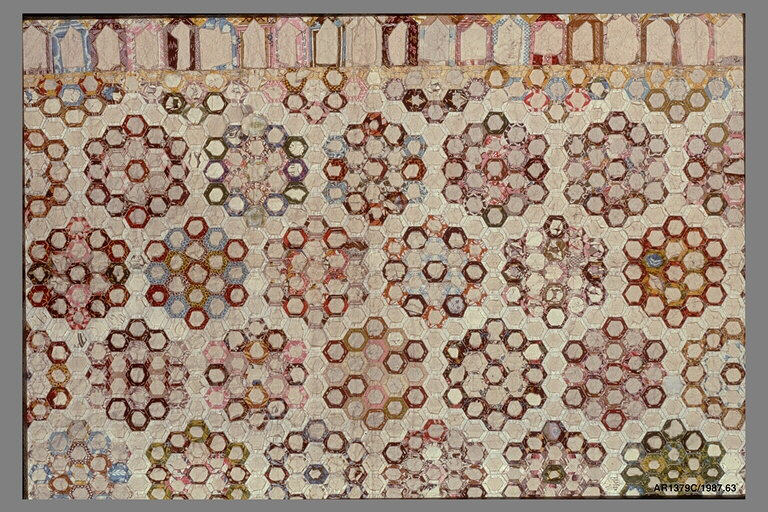
You've found a quilt you love. Now you have about three minutes to decide whether to buy it. What do you actually check, and how do you know if the price is right?
Appraisers will tell you the answer boils down to one phrase: condition, condition, condition, and complexity of the design. That's your whole evaluation framework. Here's how to apply it on the show floor at Round Top.
Check the Condition First
Hold the quilt up to the light if you can, or lay it flat on a clean surface. Look for:
- Staining, and where it is (edges vs. center)
- Tears or holes, especially along fold lines
- Fading, including the specific fading patterns that help you date it
- Fragile areas where the fabric has started to rot or shatter
- Repairs, which aren't necessarily bad but should be obvious and well-done
Some staining is acceptable. It can even be historical. Civil War quilts, which were used on battlefields and in field hospitals, sometimes carry horse blood and battlefield stains. Those stains are not a dealbreaker. They can actually authenticate the age of the quilt and become part of its story.
Light staining and minor fading on any antique quilt are usually fine. Heavy damage, extensive fragile areas where the fabric has rotted, and any serious mildew smell, those are reasons to walk away.
Run the Stitch Count Test
Measure an inch with your fingers. Count the stitches along a line of quilting. Nine or more per inch means a well-made quilt. Remember the phrase: a stitch in time saves nine. That came from this world.
Then look at consistency. Are the stitches even across the whole quilt, or are some lines clearly smaller and tighter than others? Even stitches generally mean one quilter or a skilled circle. Variable stitches can mean a less experienced maker, or a group of mixed ages, which is still charming but affects value.
Look at the Complexity
More complex patterns and techniques generally mean higher value. A simple square-block patchwork is modest. A trapunto white work quilt with thousands of tiny stitches and stuffed motifs that pop out from the surface is at the top of the scale. Elaborate applique, careful piecing, unusual patterns, these all add to what a quilt is worth.
Rough Value Ranges
Prices vary wildly, but here are benchmarks appraisers use.
- A solid family patchwork quilt from 1850-1870 in good condition: approximately $1,200-$1,500
- A 1900s quilt in good condition: $250 on the low end to $25,000 on the high end, depending on pattern, rarity, and condition
- Civil War era quilts in good condition: $3,500-$4,000
- Civil War quilts with handwritten messages from soldiers in the fabric: tens of thousands of dollars
- Simple 20th century quilts: modest, often a few hundred dollars
These are rough guides. A 1930s Grandma's Flower Garden in excellent condition with original fabric will cost you more than a later, worn example. A badly faded Civil War quilt will be worth less than a pristine 1920s Wedding Ring. Condition is doing most of the work in pricing.
What Makes a Quilt Worth More
- Show quilts made for competition. Exceptional craftsmanship, often in near-perfect condition because they were displayed, not slept under.
- Documented provenance. Family history with names, dates, and locations adds real value. Some quilts have seven different family members listed in the credit line as the quilt was stewarded across generations.
- Unusual patterns or techniques. Trapunto, elaborate applique, regional styles like the Carolina Medallion, anything that shows unusual skill or is tied to a specific place and time.
- Connection to historical events. Civil War messages, commemorative quilts, anything that ties the textile to a documented moment in American history.
What About a Quilt Top with No Backing?
Sometimes you'll find a beautiful pieced top without batting or backing. It's not automatically worth less. The maker may never have finished it, or it may have been intended as a summer bed cover, deliberately lightweight. Evaluate it for what it is: the piecing, the fabrics, the pattern. Just know you're buying a top, not a full quilt, and price accordingly.
Questions to Ask the Dealer
- Where did this quilt come from? Estate, family collection, auction?
- Do you have any provenance, names, or dates attached to it?
- What era do you believe it's from, and what tells you that?
- Has it been cleaned or repaired, and how?
- Are there any weak spots I should know about?
A good dealer will welcome these questions. A dealer who gets cagey about condition or origin is telling you something too.
When to Walk Away
Heavy damage across large areas. Mold or serious mildew smell. Extensive fabric rot where entire sections are shattering when you touch them. A price that assumes the quilt is older than the fabric suggests. Any of those, walk away. There will be another quilt in the next tent.
Where This Fits in Your Collection
A well-chosen antique quilt is one of the most emotionally resonant pieces you can bring home from Round Top. Drape it over a painted blanket chest from the American painted furniture tradition, stack it in an open cupboard beside your ironstone, or spread it across the bed in a guest room. It will work in any of those settings, and it will keep telling its story for as long as you have it.
Next up in the series: how to care for and display the quilts you collect, and why everything you may have heard about cedar chests is wrong.
One more thing worth knowing before you shop: Round Top divides into two fundamentally different experiences — curated venues where dealers have done the editing, and open hunt fields where the prices are lower and the finding is the fun. The Show or The Hunt will help you decide which venues to prioritize for this category.
Find antique textile vendors and explore the rest of the Antiques Series at roundtopfinder.com. Use the show map to plan your route this season.
Never Miss a Show
Get show dates, insider guides, and featured vendors delivered to your inbox. Monthly, never spammy.
Not ready to subscribe? Grab the free printable cheat sheet — no email required.