How to Read Silver Marks: What Every Number, Letter, and Symbol Means
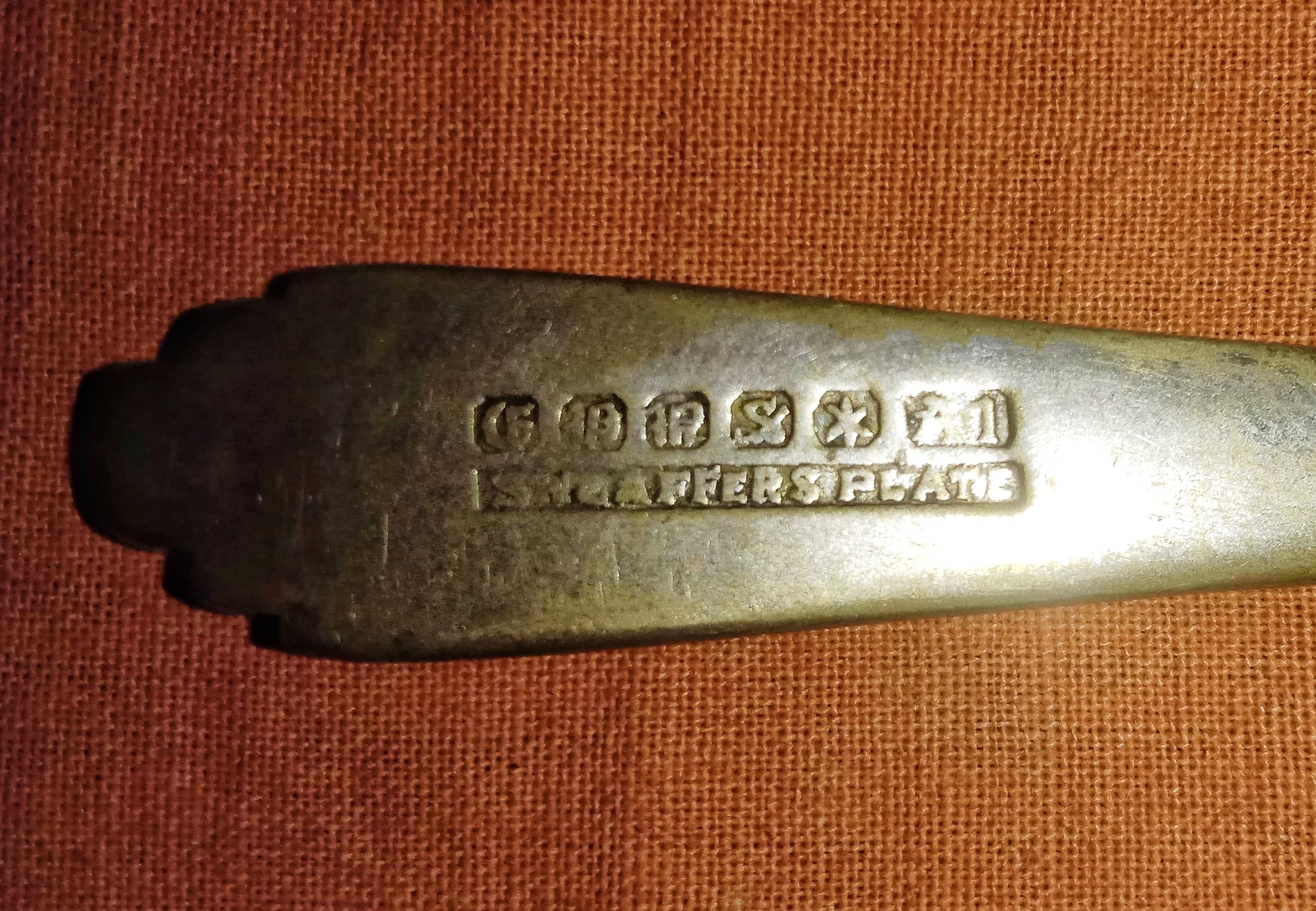
Flip over any silver piece at Round Top and you'll see a small cluster of marks stamped into the base. To a first-time buyer they look like random shapes. To someone who knows the system, those marks are a complete record of where the piece was made, when, by whom, and whether the metal is what the dealer says it is.
This is the second post in our silver series. The first post covered the three categories of silver you'll find at the show. This one is the reference you'll want in your phone when you're standing at a booth trying to decode a tea service.
American Silver Marks (The Easy One)
American silver marking is refreshingly simple. If a piece is sterling, it is marked with the word Sterling. That's the rule. No symbols, no guessing, no codes. The word appears somewhere on the base, the back, or on the inside of a hollow piece.
If an American piece doesn't say Sterling, it is almost certainly silver plate. Nobody makes something out of solid silver and forgets to tell you. The absence of the word is the answer.
On more modern pieces, from roughly the mid-20th century forward, you'll also see the number 925 stamped directly on the metal. That number refers to sterling's silver content, 92.5%, and it's standard on contemporary sterling worldwide.
British Hallmarks: The Full System
British hallmarking has been around since 1300 and is often called the oldest form of consumer protection in the world. A British silver auctioneer once described a full set of hallmarks as the passport of the item, which is exactly right. A properly hallmarked British piece tells you everything.
There are four standard marks, and you want to see all four together.
1. The Lion Passant
The single most important mark on British silver is a small walking lion in profile, called the lion passant. That lion means the piece met the sterling standard of 92.5% silver at assay.
The lion passant is the only mark that confirms genuine British sterling. If you don't see it, the piece is not British sterling, no matter how ornate the other marks look.
2. The Town Mark (Assay Office)
The second mark tells you which assay office tested and stamped the piece. The common ones:
- Anchor equals Birmingham
- Leopard's head equals London
- Castle equals Edinburgh
- Crown (pre-1972) or rose (post-1974) equals Sheffield
There are also rarer assay offices, including York and Newcastle, which operated for shorter periods. Pieces from those offices are more collectible and generally more valuable than comparable London or Birmingham pieces, because there's simply less of them.
3. The Date Letter
The third mark is a single letter in a specific font and shape, and it tells you the exact year the piece was assayed. This is one of the things that makes British silver remarkable compared to almost any other collecting field. You can date a piece to a single year.
Each assay office used its own date letter cycle, with the letter shape and font changing every year. Free online references like 925-1.com let you match the letter to a specific year by selecting the assay office first.
4. The Maker's Mark
The fourth mark is the maker's mark, usually the silversmith's initials in a shaped cartouche. Technically this is the mark of whoever submitted the piece for assay, which isn't always the same as the person who physically made it, but in practice it identifies the workshop or firm.
Continental European Silver
Continental silver uses different purity standards. Germany marks pieces up to 935, but many German pieces are stamped 800 alongside a crescent moon and crown. That 800 means 80% silver, which is still quality silver, just below the British sterling standard.
Dutch and Swiss antique silver can also run at 800, and collectors treat it as legitimate antique silver worth buying. Continental and Far East pieces sometimes go as low as 800 or 825. Below that you're into silver-colored alloys that are decorative only.
Pseudo-Hallmarks (The Trap)
Here's where a lot of Round Top shoppers get caught. Victorian silver plate manufacturers understood that real British hallmarks looked impressive, and so they stamped their plated pieces with pseudo-hallmarks, elaborate arrangements of shields, shapes, and letters designed to mimic the appearance of real assay marks.
The pieces look fancy. They have a cluster of official-looking stamps on the base. Victorian families who couldn't afford sterling bought them and displayed them proudly, and the marks were part of the appeal.
The tell is the lion passant. Pseudo-hallmarks can imitate shield shapes and ornamental initials all day long, but they cannot legally include the walking lion, because that mark only appears on silver that's been hallmarked by an actual UK assay office. If you're looking at a piece with lots of marks but no lion passant, you're looking at silver plate dressed up as sterling.
How to Use This at a Round Top Booth
Keep it simple. American piece, look for the word Sterling. British piece, look for the lion passant first, then the town mark, then the date letter, then the maker's mark. Continental piece, look for 800, 925, 935, or similar. Phone out, snap a photo of the marks, and if you want certainty before you buy, pull up 925-1.com or a similar reference right there in the booth.
Worn marks are common on old silver, especially on the corners and edges where a piece gets handled. A jeweler's loupe or even a good magnifier app on your phone helps. If a dealer is confident in what they have, they'll happily let you photograph the marks.
Next in the Series
The next post is the fast, practical version of all of this: a 60-second checklist you can run through at any booth to spot silver plate before you pay sterling prices. For more Round Top shopping guides, browse the Round Top Finder journal or start with our first-timer's guide.
Never Miss a Show
Get show dates, insider guides, and featured vendors delivered to your inbox. Monthly, never spammy.
Not ready to subscribe? Grab the free printable cheat sheet — no email required.