Sterling, Coin Silver, or Silver Plate? The Three Types You'll Find at Round Top
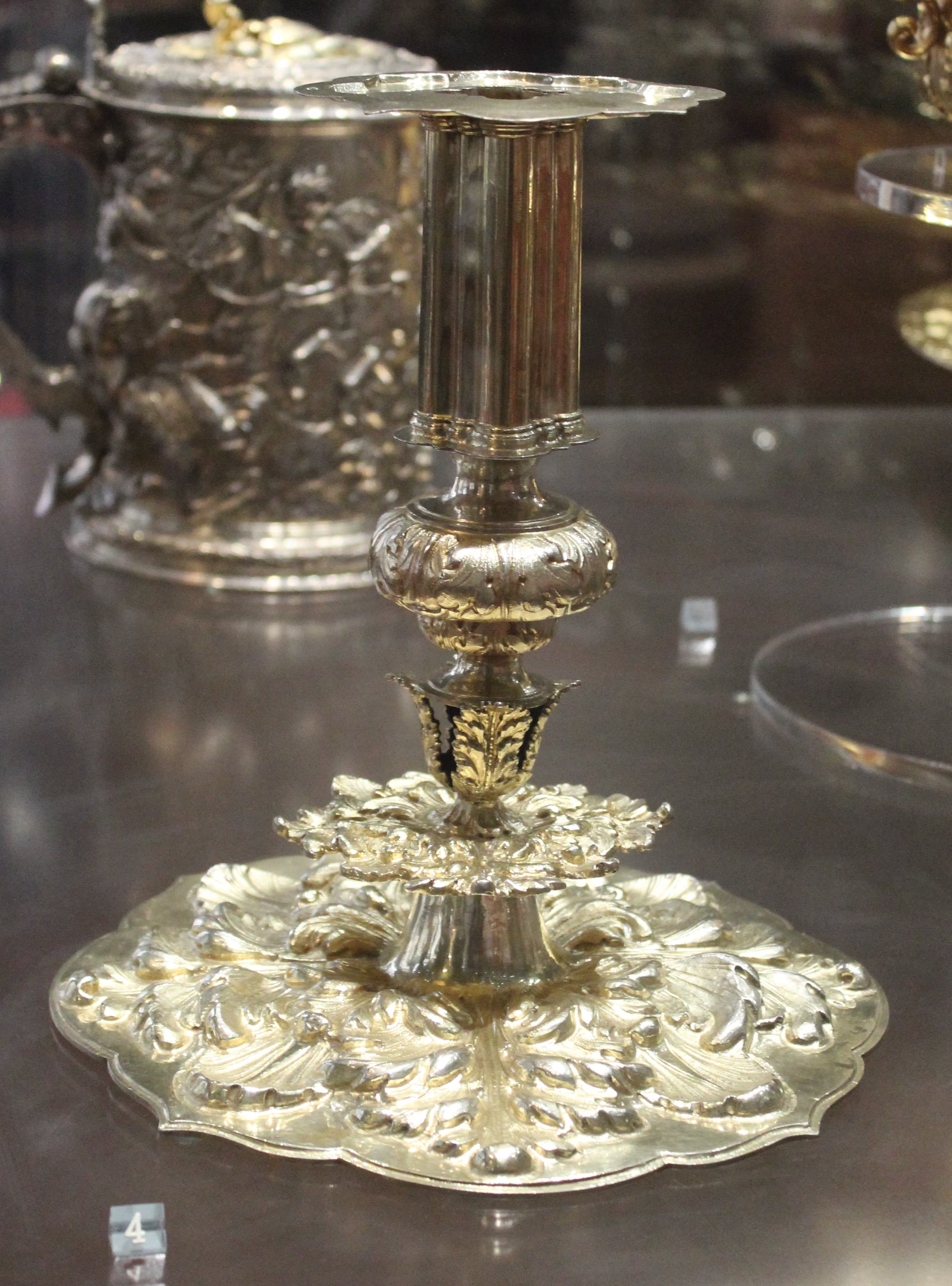
Most people don't realize there are at least three completely different things being sold as silver at any antique show. Walk down a row of tents at Round Top and you'll see a tray of spoons for $8 each, a creamer for $45, and a tea service for $1,200, all tagged as silver. They are not the same thing, and the price gap is not arbitrary.
Before you buy anything silver at Marburger, Blue Hills, The Arbors, or any of the smaller fields, it helps to know which of the three categories you're actually looking at. This is the fourth in our antique collecting series, following ironstone, flow blue, and French farmhouse pottery. Silver is the category where the mistakes get expensive fastest.
Sterling Silver
Sterling is 92.5% pure silver. The remaining 7.5% is usually copper, which adds strength. Pure silver is too soft to make a functional spoon or teapot out of, so the sterling standard has been the working benchmark for centuries.
In the United States, sterling pieces are marked with the word Sterling. Not a symbol, not a code, the actual word. This is the single most important rule for American silver: if it's sterling, it says so. Silversmiths and factories do not make something out of solid silver and then forget to mark it.
In the UK, the equivalent mark is the lion passant, a small walking lion stamped into the piece by a British assay office. On more modern pieces from anywhere in the world, you may see the number 925 stamped directly on the metal. All three of these mean the same thing: this is sterling.
Coin Silver
Coin silver is the category most Round Top shoppers have never heard of, and it's where the best sleeper deals live. It's roughly 90% silver, and it gets its name from how it was made. In the early-to-mid 1800s, before industrial silver plating existed, individual American silversmiths melted down actual coins to make spoons, ladles, cups, and small serving pieces.
Those coins were often Spanish pieces of eight or older British coins that were circulating in the young United States. Out west, later in the century, silversmiths like Vanderslice and Company in San Francisco were working with locally mined silver from the Comstock Lode.
Coin silver has a few tells. It's usually marked with only the silversmith's name, not the word Sterling. It's often surprisingly lightweight, because silversmiths were working with whatever silver they had on hand and couldn't afford to be heavy-handed. And it predates the Civil War in most cases, so it has the slightly uneven, hand-worked feel of pre-industrial craftsmanship.
If you find an old spoon at Round Top stamped with a name you don't recognize and nothing else, don't walk away. Photograph the mark and look it up. Extensive online databases of early American silversmiths exist, and a $20 spoon can turn out to be a genuinely collectible piece of American history.
Silver Plate
Silver plate is a base metal, almost always copper or brass, with a thin layer of real silver applied on top through electroplating. The silver content is tiny. Melt a plated teapot down and you'll get a few dollars of silver, if that.
That doesn't mean silver plate is worthless or that you shouldn't buy it. A beautiful Victorian plated tea service for $85 is a genuinely lovely thing to own, set out, and use. The issue is only paying sterling prices for plate, which is a mistake a lot of first-time buyers make.
Silver plate is plentiful at Round Top. Every field has it. Common brand names you'll see stamped on the base include Community (Oneida's plate line, always plated), Rogers, 1847 Rogers Brothers, and Rogers AA. Marks like A1, AA, Triple, or XS Triple all refer to how thick the plating is, not to silver content. They're all plate.
Nickel Silver (The Impostor)
Nickel silver isn't silver at all. It's a metal alloy made mostly of nickel, with some copper and zinc, and it contains zero actual silver. It was used for flatware and serving pieces because it looks similar at a glance and is inexpensive.
You can usually feel the difference. Nickel silver is thicker and harder than coin silver, and it doesn't tarnish the same way. If a piece feels unusually rigid and heavy in an industrial way, and it's not marked Sterling or with a silversmith's name, nickel silver is a likely explanation.
Why This Matters at Round Top
At a big show, you'll see all three of these types in the same booth, sometimes on the same table, priced according to what they are. A sterling sugar tongs might be $95. A coin silver teaspoon might be $30. A silver plate ladle might be $12. Dealers price correctly most of the time, but mislabeling happens in both directions, and the only protection you have is knowing what you're looking at.
The good news is that the distinctions aren't hard. Once you know the four categories, you'll start reading marks automatically, flipping pieces over at every booth, and spotting the tells. Within a couple of Round Top weekends, silver stops being intimidating.
Next in the Series
The next post in this series covers how to read silver marks, including the full British hallmarking system and what every letter, number, and symbol means. After that, we'll walk through a 60-second checklist you can use at any booth, and finish with a post on what antique silver is actually worth and how to use the pieces you buy.
For maps of every field and venue at the show, visit the Round Top Finder map, and browse vendors by specialty including silver and fine antiques.
Never Miss a Show
Get show dates, insider guides, and featured vendors delivered to your inbox. Monthly, never spammy.
Not ready to subscribe? Grab the free printable cheat sheet — no email required.