What Antique Silver Is Worth, and Why You Should Actually Use It
This is the last post in our silver series. The first three walked through the three types of silver, how to read silver marks, and a 60-second check for spotting plate. Now we get to the part most people actually care about: what is this stuff worth, and what should you do with it once you own it?
The honest answer to the first question is that silver value is less mysterious than most people think. The honest answer to the second is that silver was made to be used, and the buyers who get the most joy out of their Round Top finds are the ones who put them on the counter and keep using them.
What Each Type Is Actually Worth
Silver Plate
Silver plate has essentially zero scrap value. The silver layer is too thin to melt down profitably. What plate is worth is whatever it's worth as an object, the beauty of the piece, the pattern, the condition, the story.
A gorgeous Victorian plated tea service in beautiful condition is genuinely lovely and can command real money, $150 to $500 or more, depending on the maker and the style. But you're paying for the design and craftsmanship, not the metal. Buy plate because you love it, not because you think of it as an investment.
Sterling Silver
Sterling has both intrinsic metal value and collector value. The silver itself is worth something by weight, which gives sterling a floor price even if it's melted. But well-made sterling by a recognized maker is almost always worth significantly more than its melt value, often multiples of it.
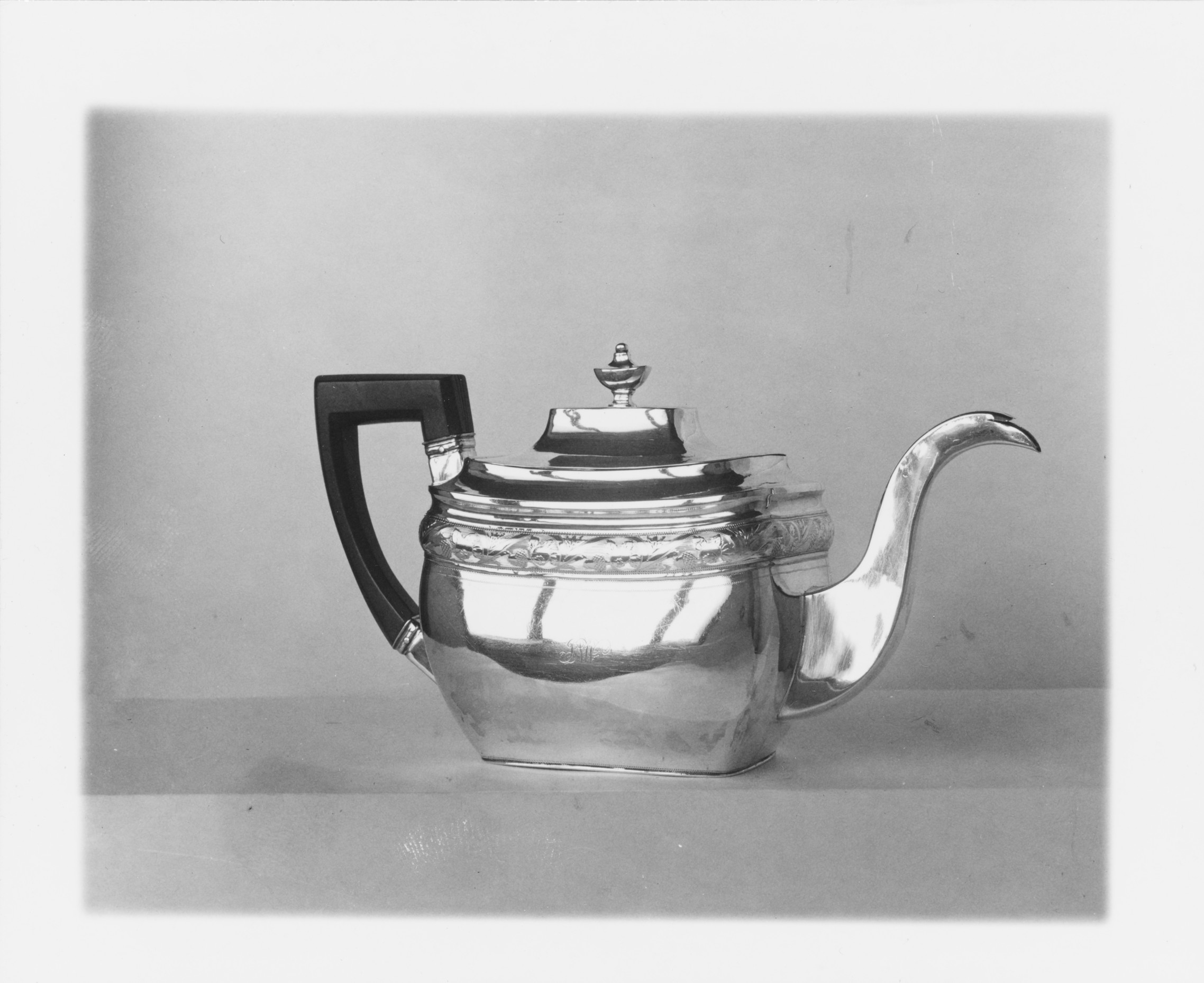
A sterling teapot by Gorham, Tiffany, Kirk Stieff, or any of the major American silversmiths is worth real money as a piece, not just as a lump of metal. The pattern matters, Gorham's Spanish Tracery is an example of a pattern that only existed in sterling, so identifying the pattern alone confirms both the metal and the collector appeal. Condition matters, a piece with no dents, no repairs, and minimal wear is worth substantially more than a damaged one.
Coin Silver
Coin silver is the underpriced category at most shows, estate sales, and thrift stores. Because it's marked with only a silversmith's name and not the word Sterling, people pass it over constantly. They see an old spoon with a name stamped on it and assume it's plate.
Early American coin silver by named silversmiths is genuinely collectible. Pieces by West Coast silversmiths like Vanderslice and Company of San Francisco, working with Comstock Lode silver, or by established Eastern silversmiths working pre-Civil War, are sought after by collectors of early American silver. Prices for a single coin silver spoon can range from $25 for an unknown smith to several hundred dollars for a recognized maker.
The move is to photograph the mark, look up the silversmith online before you buy, and quietly take home what other people have walked past.
British Sterling
British sterling has the most rigorous value structure of any antique silver because the hallmarks tell you everything. The assay office matters, pieces from rarer offices like York and Newcastle are more collectible than comparable London or Birmingham pieces, simply because less survived. The date letter narrows the piece to a single year, which collectors love. The maker's mark ties it to a specific workshop.
A well-marked Georgian or Victorian British sterling piece by a known maker, in good condition, from a collectible assay office, is worth meaningfully more than an unmarked equivalent.
What Actually Drives Value
Across all four types, the factors that move prices are consistent:
- Maker: a recognized silversmith or factory name multiplies value
- Condition: no dents, no repairs, no monogram removal scars, minimal wear
- Completeness: a full flatware service or full tea service is worth more than the sum of its parts
- Pattern: rare or highly sought-after patterns command premiums
- On British pieces: the specific assay office and date letter
The Tarnish Myth, One More Time
It keeps coming up because it keeps mattering. Tarnish is not a defect. A sterling serving piece that's been sitting in a cabinet for fifty years can look almost black, and it's still sterling, and twenty minutes with a silver polishing cloth will bring it back beautifully.
Don't let an ugly piece talk you out of a good find, and don't let a perfectly shiny piece talk you into paying sterling prices for plate. The marks tell the story, not the surface.
Why You Should Actually Use It
This is the part of the series that ties back to what Rajiv Surendra and other thoughtful collectors have been saying about antique tableware for years, and the same idea we covered in the ironstone series. These objects were made to be used. Locking them in a cabinet is its own kind of loss.
A silver sugar shovel sitting in the sugar bowl. A silver teaspoon you use every morning in your coffee. A tarnished silver pitcher on the kitchen counter holding a bunch of garden clippings. A coin silver ladle in a soup pot on the stove. These are the things that make antique silver feel alive instead of precious.
Sterling and coin silver hold up to daily use. They were designed for it. The small signs of wear that come with regular handling aren't damage, they're patina, and they make the piece yours.
A Word on Monograms
A lot of Round Top shoppers hesitate to buy silver with somebody else's initials on it. Don't. Old monograms, especially on early 1800s pieces, were practical, not decorative. Families engraved their silver because if it got stolen, the initials were the identification that might get it returned. A monogram is a piece of history, not a flaw to discount for.
Some of the most interesting coin silver pieces you'll find have monograms from families who owned them 180 years ago. That's the whole point.
Care, Quickly
Silver tarnishes from exposure to air and certain foods, especially eggs, onions, and anything sulfur-rich. A few practical notes:
- Polish with a proper silver cloth or silver polish, not harsh abrasives
- Avoid the dishwasher for older pieces, especially anything with hollow handles
- Hollow-handled knives have cement, plaster, or rubber inside the handle that can break down from heat and moisture
- Store in anti-tarnish cloth or bags if you want to slow oxidation
- Or just use it, tarnish, polish, and enjoy it
The Series Wrap-Up
If you've read all four posts in this series, you now know more about antique silver than 90% of the people walking the show. You know the three categories, the marks, the plate tells, and the value drivers. The rest is practice, which means showing up and flipping pieces over at every booth you visit.
One more thing worth knowing before you shop: Round Top divides into two fundamentally different experiences — curated venues where dealers have done the editing, and open hunt fields where the prices are lower and the finding is the fun. The Show or The Hunt will help you decide which venues to prioritize for this category.
For more collecting guides, we have full series on ironstone, flow blue, and French farmhouse pottery. To plan your next Round Top trip, head to the show map or browse vendors by specialty.
Never Miss a Show
Get show dates, insider guides, and featured vendors delivered to your inbox. Monthly, never spammy.
Not ready to subscribe? Grab the free printable cheat sheet — no email required.