What Is French Faience? The Story Behind That Blue and White Pottery
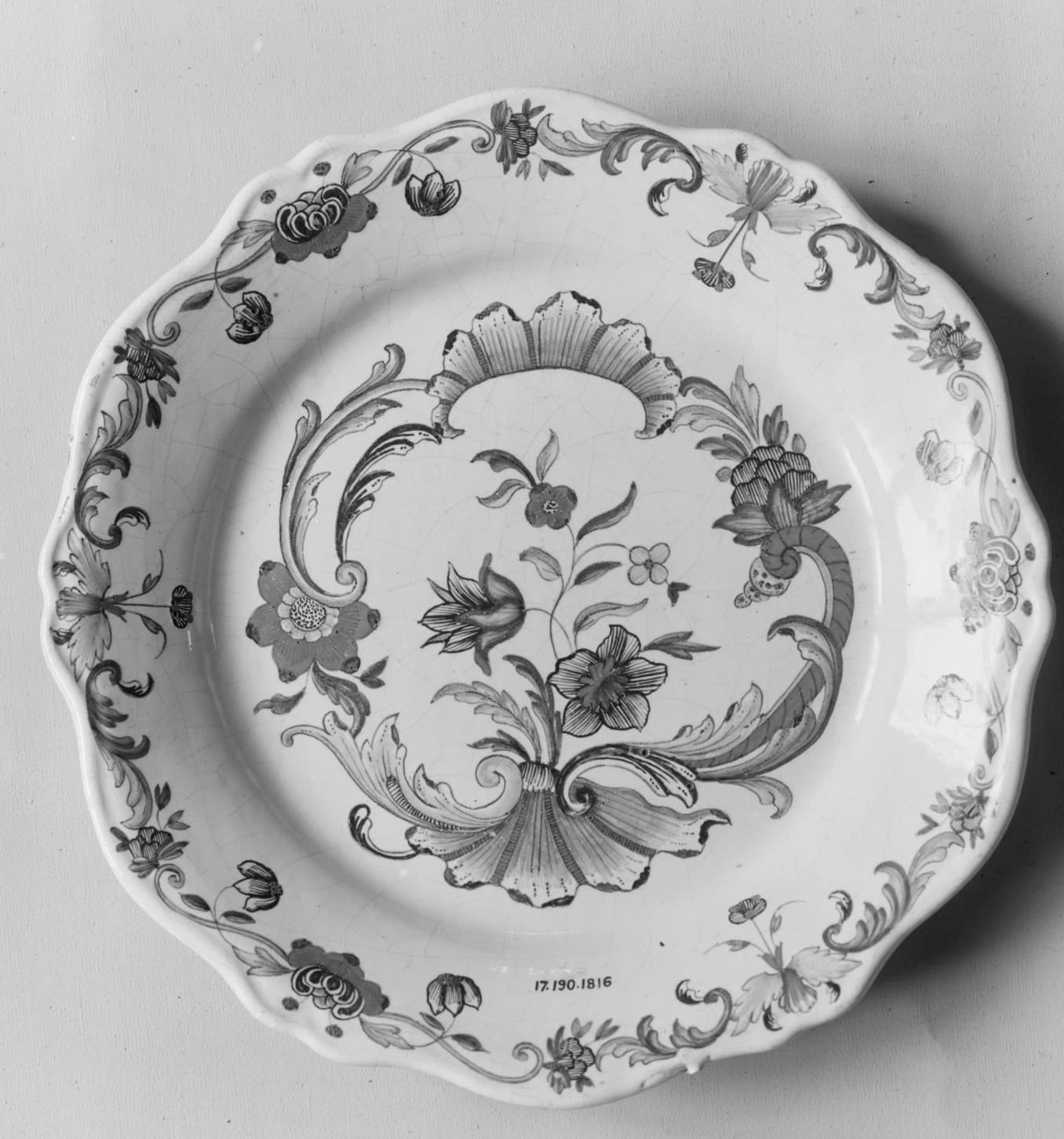
There is a piece of pottery that turned a king's crisis into one of the most beautiful tableware traditions in history. If you have walked the fields at Round Top and paused in front of a chipped blue and white platter with hand-painted flowers, or a tureen with lacy borders and a soft cream glaze, you have already met French faience. Most shoppers just call it that pretty French pottery. It has a real name, and it has a story worth knowing before you buy your next piece.
A King, a War, and a Craze for Pottery
In 1689, and again in 1709, Louis XIV was running out of money to fund his wars. He issued sumptuary laws that required the French aristocracy to melt down their silver furniture and silver table objects, everything from tureens to candlesticks, and turn it in to pay for his campaigns.
Overnight, the grandest tables in France went bare. The nobility needed something beautiful to replace silver, and they needed it fast. They turned to faience. One account from the period sums up what happened: in eight days, all who were of grand or considerable standing used only faience services. They emptied the shops selling it, and ignited a heated frenzy for this merchandise.
That frenzy is what made French faience the tableware of aristocrats. Before the melting orders, most faience pieces were meant for display, set on a credenza or used in a garden orangery. After, the forms shifted fast to follow silver. Soup tureens, platters, sauce boats, sugar castors, pitchers, even small boxes for cosmetics. By the mid-18th century, faience could be used all day long, in every room of the house.
So What Actually Is Faience?
Ceramics come in three basic categories: stoneware, porcelain, and earthenware. French faience is earthenware, which means it is fired at a lower temperature (under 2,000°F) and stays porous after firing. Porous clay on its own cannot hold water or food, so potters sealed it with a glaze.
Here is the trick that makes faience look the way it does. The glaze is made of silica and lead oxide, which on its own would be transparent. Add tin oxide, and the glaze turns opaque white. That creamy white surface hides the natural clay color underneath, which ranges from gray to reddish-tan depending on where the clay was dug. On top of that white canvas, potters painted with metallic oxides: cobalt for blue, manganese for purple, antimony for yellow, copper for green, iron for red.
Those five colors are the grand feu palette, the original high-fire method. In the mid-18th century, potters figured out a low-fire technique called petit feu that allowed pinks and golds. If a piece has pink or gold, you are looking at something from the mid-1700s or later.
Where the Name Comes From
The word faience comes from Faenza, a city in northern Italy that was a major center of maiolica production during the Renaissance. Maiolica is the Italian version of tin-glazed earthenware, and Italian potters immigrated to France in the late 16th century, especially to Lyon, bringing the technique with them.
The whole tradition traces back even further. Islamic potters in what is now Iraq discovered the tin-glaze technique around 800 AD. It spread through the Mediterranean via trade and conquest, reached Italy in the 13th century, and finally arrived in France. The same technique traveled through Spain (Hispano-Moresque ware), the Netherlands (delftware), and every one of those traditions is, at its core, the same recipe. Porous earthenware, sealed with a white tin glaze, decorated with metallic oxides.
Why It Looks the Way It Does
If you have ever wondered why French faience has that particular soft-edged, slightly blurred, hand-painted look, the answer is the glaze. The tin-glaze surface absorbs the oxide paint slightly as it fires, which gives every brushstroke a gentle halo. There is no sharpness. No mechanical precision. Every plate looks like it was touched by a human hand, because it was.
That is part of what makes faience such a natural fit for the French farmhouse aesthetic that dominates so much of Round Top. It reads as warm, lived-in, imperfect in the best way.
Where You Will See It at Round Top
French faience shows up in a lot of places at the Round Top Antique Show. Dealers who specialize in European imports always have some. Vendors at Marburger Farm and at the French tents along Highway 237 tend to carry the more serious pieces. Smaller shows will have the casual, everyday pieces, the kind of plates a French grandmother would have actually used.
You do not need to spend thousands to start a collection. A single hand-painted plate, hung on a wall or leaned against a shelf, tells the whole story.
Keep Reading
This is the first in a four-part series on French farmhouse pottery. Next up: how to tell the different French pottery regions apart, a practical buyer's guide, and how to decorate with what you bring home. If you missed our earlier guides, our ironstone and flow blue series are companion reads. And before your next show, check the Round Top Finder map to plan which tents to hit first.
Never Miss a Show
Get show dates, insider guides, and featured vendors delivered to your inbox. Monthly, never spammy.
Not ready to subscribe? Grab the free printable cheat sheet — no email required.