What to Buy at Round Top — Category-by-Category Shopping Guide
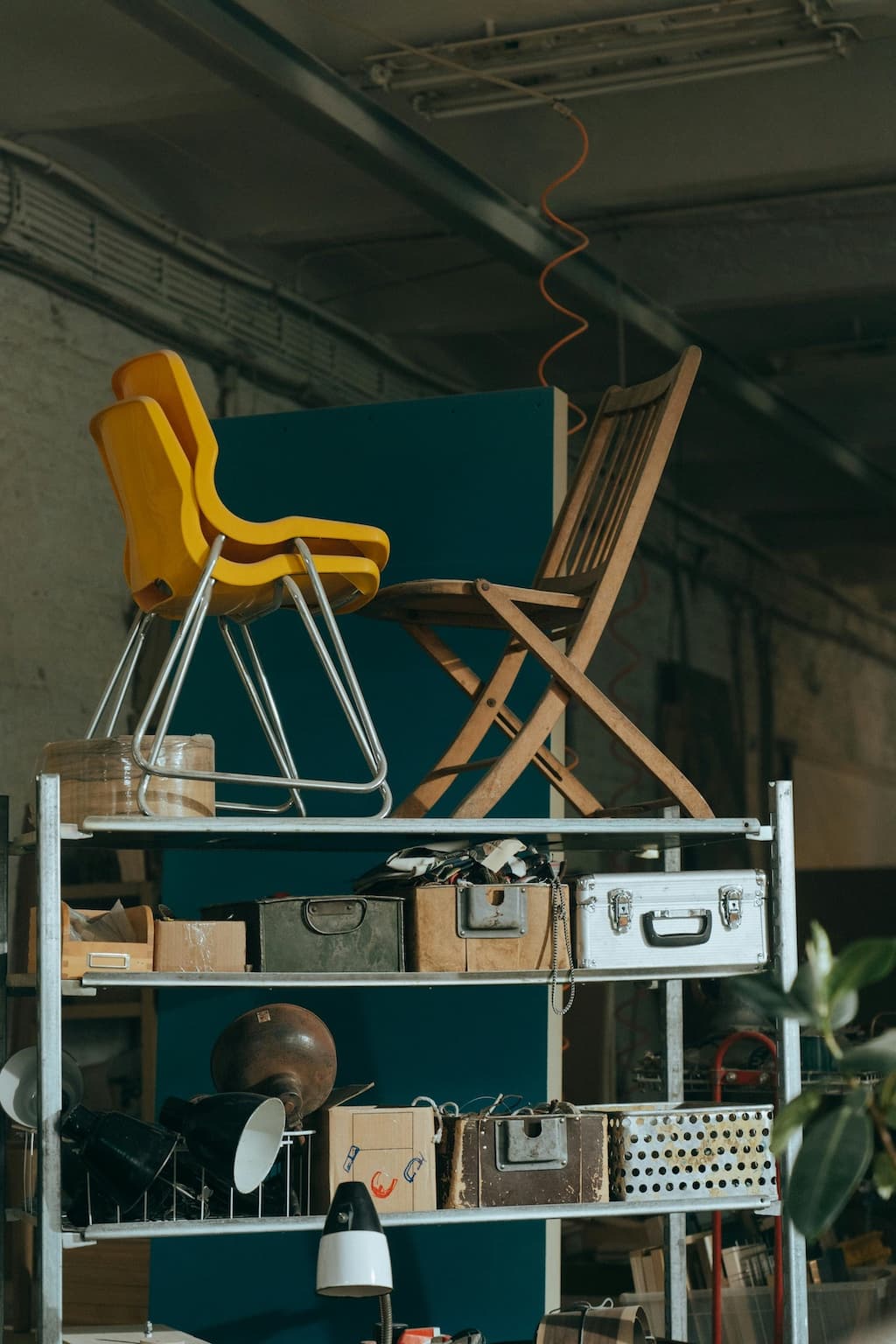
What to Buy at Round Top — Category-by-Category Shopping Guide
You've heard the legend. Twice a year, the tiny town of Round Top, Texas (population: roughly 90) transforms into the largest antique fair in the country — sometimes the world, depending on who you ask. More than 1,500 vendors. Forty-eight venues. A 20-mile shopping corridor that stretches from Round Top down through Warrenton and beyond. Prices that span from a single dollar to north of $25,000.
The question every first-timer asks is the same one every veteran is still asking: what should I actually buy?
This is the guide we wish someone had handed us before our first trip. It's a category-by-category breakdown of what's available at Round Top, what it really costs, where to find the best examples, and what to look for before you swipe your card. Read this before you load the truck.
The Round Top Shopping Landscape
Before we get into categories, you need to understand the geography — because where you shop dictates what you find and what you pay.
Round Top's antique scene splits roughly into two zones. The Round Top zone (Marburger Farm, The Compound, Market Hill, The Arbors, Blue Hills) is the curated, high-end side. Tents are climate-controlled or at least well-organized. Dealers are professionals, often nationally known. Prices are higher, but quality and authentication are more reliable. This is where serious furniture buyers, designers, and collectors spend their days.
The Warrenton zone — a stretch of fields along Highway 237 about seven miles south — is the treasure-hunt side. Dozens of open-air fields (Bar W, Cole's, Zapp Hall, Tree of Life, and many more) full of pickers, estate sellers, and one-of-a-kind oddities. Prices are lower. Quality varies wildly. The thrill is in the hunt. This is where the smalls, the architectural salvage, and the wild finds live.
Most experienced shoppers spend at least one day in each zone. If you only have a weekend, split your time — Round Top in the morning when curated tents open early, Warrenton in the afternoon when the sun moves and the dealers get more flexible on price. Pull up the interactive map before you go so you can plan your route.
Now, what to actually buy.
Furniture — The #1 Category
Furniture is what Round Top is famous for, and it's where most of the real money changes hands. The selection is genuinely staggering.
What's available: French provincial buffets and armoires, Victorian secretaries and parlor sets, American primitive farmhouse tables, English pine cupboards, mid-century modern credenzas and lounge chairs, industrial workbenches and steel cabinets, Mexican colonial pieces, garden furniture (cast iron benches, zinc planters, teak tables), Belgian linen-upholstered sofas, and a deep selection of Texas-made pieces from the late 1800s.
What it costs:
- Small side tables and nightstands: $100–$300
- Farmhouse dining tables (6–8 ft): $500–$2,000
- French armoires and buffets: $800–$4,000
- Mid-century sofas and credenzas (signed pieces): $1,500–$6,000
- Museum-grade European antiques: $10,000–$25,000+
Best for furniture:
- Marburger Farm for high-end European and American antiques across roughly 350 dealers
- The Compound for serious French and Continental pieces
- The Arbors for refined country and farmhouse pieces with great styling
- Market Hill for European imports and designer-favorite booths
- Warrenton fields for raw, unrestored finds and Texas primitives
What to look for: Real dovetail joints on drawers (hand-cut on pre-1860 pieces, machine-cut after). Original patina — once it's stripped and refinished, value drops 30–50% for collectors. Mortise-and-tenon construction on chairs. Evidence of repairs (replaced legs, new feet, married pieces where the top doesn't match the base). Smell the inside of drawers: mildew is expensive to fix.
Insider tip: Measure your space, your doorways, and your truck bed before you go. We can't tell you how many people we've watched buy a $2,800 armoire only to discover it won't fit through their front door. Bring a tape measure and a notebook with dimensions written down.
Rugs — A Massive Category at Round Top
Rugs are one of the most under-discussed strengths of Round Top. The selection rivals dedicated rug markets in major cities, and prices are often 40–60% below what you'd pay at a Houston or Dallas showroom.
What's available: Vintage and antique Turkish kilims (flat-weaves with bold geometric patterns), Moroccan Berber rugs (creamy whites with diamond patterns, plus colorful Boucherouites), antique Persian rugs (Heriz, Tabriz, Kashan, Sarouk), Oushaks in soft faded palettes, overdyed vintage rugs in jewel tones, and a growing selection of custom contemporary pieces.
Price range:
- Small kilim throws (3x5): $150–$400
- Vintage Turkish kilims (5x8): $400–$1,200
- Moroccan Berber (8x10): $800–$2,500
- Antique Oushak (9x12): $2,500–$8,000
- Room-size antique Persian (10x14+): $3,000–$15,000
Best for rugs: The Arbors has multiple rug specialists with deep inventory. The Compound carries higher-end Persian and Turkish antiques. Blue Hills is excellent for Oushaks and overdyed vintage. Several Warrenton fields have rug dealers running 50%-off-by-Sunday sales — worth the gamble if you're flexible on size and color.
What to look for: Pile height tells you age and wear — a flat, almost worn-through pile on an old rug isn't always bad; it can mean a tightly-woven antique that's been loved. Flip the rug over and check knot density (the higher and more uniform, the better). Run a damp white cloth over the wool to check for color bleeding. Ask if it's been professionally cleaned — most haven't, and a good cleaning runs $200–$500 depending on size.
Lighting
Lighting is one of the most "designer-favored" categories at Round Top. You'll find pieces here that would cost three times as much at a New York or LA showroom.
What's available:
- French crystal chandeliers (rococo, Empire, and Louis XV styles): $500–$5,000
- Industrial pendants (vintage factory lights, gymnasium fixtures, mercury glass): $150–$800
- Vintage table lamps (mid-century ceramic, brass, Murano glass): $50–$300
- Wall sconces (pairs are gold — French bronze, Italian gilt): $200–$1,500/pair
- Vintage neon and advertising lights: $300–$2,500
Note: Always ask if a fixture has been rewired. An un-rewired chandelier is a $200–$600 trip to an electrician, and it's a safety issue you don't want to discover after install. Reputable dealers will rewire on request before shipping.
Best for lighting: Marburger Farm has the deepest selection of European chandeliers. The Compound specializes in French lighting. Market Hill has multiple booths dedicated to industrial and mid-century lighting that's already been rewired and is ready to hang.
Jewelry & Accessories
Don't skip jewelry just because you're focused on furniture. The estate jewelry selection at Round Top is genuinely impressive, and many of the small dealers tucked into corners of Marburger and the Warrenton fields are sitting on serious pieces.
What's available: Estate jewelry (Victorian mourning, Art Deco platinum, 1950s cocktail), Native American turquoise (Navajo, Zuni, Santo Domingo), Bakelite bangles and brooches, sterling silver (concho belts, Mexican Taxco, Georg Jensen), cowboy boots, vintage handbags (Hermès and Chanel do appear), and watches.
Price range: $20 to $5,000+. A vintage Bakelite bangle might be $40. A signed Navajo squash blossom necklace can run $800–$3,000. Estate diamond pieces routinely hit four figures.
Best for jewelry: Marburger small dealers are your friend here — the booths tucked between the big furniture tents often have stunning estate cases. Several Warrenton fields have dedicated turquoise dealers. Always ask for a written receipt that includes maker's marks, metal content, and stone identification — you'll need it for insurance.
Art
Art at Round Top is a deep, deep rabbit hole. You can leave with a $50 vintage botanical print or a $50,000 oil painting — and both are sitting in the same tent.
What's available: Oil paintings (Texas landscapes, European portraits, American Impressionism, Western art), original prints and lithographs, vintage botanical and bird prints, folk art (carved figures, painted signs, tramp art), regional Texas artists (Porfirio Salinas, Dawson Dawson-Watson, Julian Onderdonk students), and contemporary photography.
Price range:
- Vintage prints and lithographs: $30–$200
- Mid-tier original oils (unknown or regional artists): $200–$1,500
- Listed Texas artists: $1,500–$15,000
- Significant signed oils with provenance: $15,000–$50,000+
Tip: Always check the back of a painting. Gallery labels, exhibition stickers, and old auction tags are gold — they tell you the painting's history and can dramatically affect value. Photograph the back before you negotiate. If you're spending over $1,000, ask for the dealer's research file.
Ceramics & Pottery
A quietly amazing category at Round Top. The ceramics selection here is one of the best in the country for the price.
What's available: French faience (Quimper, Rouen, Moustiers), English ironstone (white-on-white, brown transferware), Staffordshire transferware (blue, red, mulberry), Italian and Portuguese majolica, American art pottery (Roseville, Weller, McCoy, Rookwood), studio pottery, and Chinese export porcelain.
Price range:
- Single transferware plates: $15–$60
- Ironstone pitchers and tureens: $40–$200
- Roseville and Weller pieces (depending on pattern): $75–$600
- Signed Rookwood and studio pottery: $200–$2,000
- Rare French faience and signed majolica: $300–$1,500+
What to look for: Hairline cracks (run your fingernail across — it'll catch). Repairs glow under blacklight (bring a small UV flashlight). Check for maker's marks on the underside and learn to identify the big names before you go.
Textiles
Textiles are easy to pack and easy to underestimate. They're also having a major moment in interior design.
What's available: Antique quilts (Texas pieced quilts, signature quilts, crazy quilts), French linen sheets and grain sacks (the holy grail for upholsterers), Hungarian and Eastern European embroidered pieces, vintage table linens and runners, antique lace, hand-woven Mexican textiles, and vintage hooked rugs.
Price range:
- Vintage table linens and runners: $15–$60
- French grain sacks: $40–$150
- Antique embroidered pieces: $50–$300
- 19th-century pieced quilts: $200–$800
- Significant signature or crazy quilts: $500–$2,500
Tip: Hold quilts up to the light to check for thinning, stains, and repairs. Smell them — musty quilts are hard to deodorize. French linen prices have doubled in five years, so if you find a stack of unwashed sheets at $40 each, buy them all.
Architectural Salvage
This is one of Round Top's best-kept secrets. Architects and builders fly in for this category alone.
What's available: Antique doors (French double doors, Mexican carved doors, Victorian interior doors), reclaimed mantels (marble, wood, cast iron), columns and corbels, vintage hardware (door knobs, hinges, hooks), stained glass windows and transoms, reclaimed shiplap and barnwood, vintage iron gates and fencing, and old farmhouse sinks.
Price range:
- Vintage hardware: $10–$100
- Single doors: $200–$2,000
- Antique mantels: $500–$5,000
- Reclaimed wood (by the board foot): $4–$12
- Stained glass windows: $150–$2,500
Best for architectural salvage: Dedicated salvage dealers in the Warrenton fields are your move. Several have full warehouses of doors, hardware, and mantels. Bring a measuring tape, photos of your space, and your contractor's number — you'll want to text photos for opinions on the spot.
Collectibles & Smalls
The treasure-hunt category. This is where Round Top gets fun.
What's available: Vintage kitchenware (Pyrex, Fire-King, enamelware, cast iron), advertising signs (porcelain, tin, neon), estate silver (sterling flatware, hollowware, trophies), vintage cameras and typewriters, antique toys and games, breweriana, fishing tackle, vintage Christmas, holiday decor, taxidermy, vintage maps, old books, and approximately 10,000 other categories of weird stuff.
Price range: $1 to $500, with most pieces landing in the $20–$100 range.
Best for collectibles: Warrenton fields are unbeatable. This is treasure-hunt country. Estate sellers, pickers, and dealers with deep storage units bring out their best stuff. Plan to spend a full day, wear good shoes, and bring a wagon or rolling cart.
Vintage Fashion & Boots
Fashion at Round Top has exploded in the last five years. What used to be a niche category is now one of the strongest reasons to come.
What's available: Western wear (vintage Wrangler, snap-button shirts, ranch jackets), cowboy boots (Lucchese, Justin, Tony Lama — vintage pairs in excellent shape), vintage denim (Levi's, Lee, Wrangler from the 50s–80s), boho dresses and prairie skirts, vintage band tees, leather jackets, fringe and suede, vintage handbags, silk scarves (Hermès, Pucci), and Native American pieces.
Price range:
- Vintage tees and snap shirts: $25–$80
- Vintage denim: $60–$200
- Cowboy boots (vintage, good condition): $50–$800
- Designer vintage and rare pieces: $200–$3,000
Best places: The Arbors has multiple dedicated fashion booths with curated vintage. Marburger has rotating fashion vendors with serious pieces. Several Warrenton fields have boot dealers with literal walls of vintage cowboy boots — try them on, the sizing is all over the place.
What NOT to Buy (or Buy Carefully)
Not every booth is honest, and not every piece is what it claims to be. A few things to walk past or interrogate hard:
- Furniture with hidden damage. Always open every drawer, check the back, look underneath, and smell the inside. Replaced backs, new bottoms in drawers, and "married" pieces (top from one cabinet, base from another) are common and rarely disclosed.
- "Antique" pieces that are reproductions. Round, perfectly uniform screw holes, machine-cut dovetails, plywood backs, and Phillips-head screws (invented in 1936) are all red flags on something labeled "1880s." Modern reproductions of French country furniture in particular are everywhere — sometimes priced as if they're 150 years old.
- Reproductions sold as originals at inflated prices. Common scam categories: "antique" signs (modern reproductions of Coca-Cola and gas station signs are mass-produced), "vintage" prints that are actually new giclées, and "old" iron pieces that were aged in acid baths last month.
- Stuff with active mold or pest issues. If a piece smells like mildew or has visible woodworm holes that look fresh (sawdust nearby), walk away.
When in doubt, ask the dealer point-blank: "Is this period or a reproduction?" Reputable dealers will tell you honestly. Sketchy ones will deflect.
The Budget-Tiered Approach
Round Top works at every budget. Here's how to think about your strategy depending on what you have to spend:
| Budget | Strategy | Best Venues |
|---|---|---|
| Under $200 | Smalls, vintage finds, accessories, textiles, single ceramics | Warrenton fields, estate booths |
| $200–$1,000 | Lamps, small rugs, jewelry, art prints, ceramics, vintage fashion | Anywhere — comparison shop |
| $1,000–$5,000 | Statement furniture, quality rugs, original art, chandeliers | Blue Hills, The Arbors, Marburger |
| $5,000+ | European antiques, museum-grade pieces, fine art, investment furniture | Marburger, The Compound, Market Hill |
Don't try to play above your tier — a $300 antique at Marburger is going to be a hard find, and a $15,000 museum piece in a Warrenton field is probably not what it claims to be.
Logistics — Getting It Home
One of the things first-timers underestimate is the logistics challenge of actually getting your finds home. A few things to know:
- On-site shipping companies. Several national logistics companies set up tents at the major venues (Marburger, Market Hill, The Compound). They'll wrap, crate, and ship anything from a single chair to a full container load. Prices are reasonable for the convenience — expect $200–$500 for a single large piece going across Texas, more for cross-country. Get a quote before you commit.
- Rent a U-Haul early. Trucks book up weeks in advance during show weeks. The Brenham and La Grange U-Haul locations sell out by mid-week of show season. Reserve before you arrive.
- Bring tie-downs, blankets, and shrink wrap. The dealers will help you load, but they don't supply packing material. A good moving blanket can save a $2,000 piece from getting scratched.
- Insurance for high-value pieces. If you're buying anything over $5,000, ask the shipping company about insurance during transit. A $50 add-on is worth it for a $10,000 armoire.
Pro Tips for Buying Smart
A few rules we live by:
- Arrive opening day. The best pieces sell in the first 48 hours. If you're after specific furniture, art, or rugs, you need to be there when the gates open. Designers and dealers from other markets buy aggressively on day one.
- Bring measurements. Doorway width, ceiling height, truck bed length, wall dimensions, the size of the rug you're replacing. Write it all down. Take photos of your spaces with a measuring tape in frame.
- Cash is king. Most dealers will knock 10–15% off for cash. Some will go further on bigger pieces. Bring more cash than you think you need, and use a money belt or zipped bag.
- Last weekend = best negotiating leverage. Dealers don't want to pack up unsold inventory. If you're flexible on what you buy and you're willing to come back the final Saturday or Sunday, you can save 30–50% on pieces that haven't moved.
- Take photos and notes. You will absolutely forget which booth had the piece you're thinking about. Photograph the piece, the booth number, and the dealer's card. Map it on your phone.
- Use the Round Top Finder app and map to find vendors, plan your route, and save favorites as you walk. We built it so you can shop smarter, not harder.
Timing Your Categories
Different categories peak at different times during a show week. Here's how to think about timing:
- Furniture: opening day, full stop. Big-ticket furniture is what serious buyers come for, and the best pieces are sold within hours of the gates opening. If you have your heart set on a French armoire or a primitive farm table, be there at 9 AM on opening Saturday with cash and a measuring tape.
- Rugs: middle of the week. Rug dealers often hold back their best pieces for serious shoppers later in the week when the casual crowd has thinned out. Tuesday through Thursday is prime rug-hunting time.
- Smalls and collectibles: any time. The Warrenton fields refresh constantly — pickers bring new inventory daily. You can find treasures on opening day or closing day.
- Architectural salvage: early in the week. Big pieces like doors, mantels, and stained glass take time to move. Get there early so you have time to arrange transport.
- Negotiation deals: final weekend. As discussed, the last Saturday and Sunday are when dealers cut their best deals to avoid hauling inventory home.
Categories We Skipped (But You'll Find)
Round Top is so deep that even a 3,000-word guide can't cover everything. A few categories worth mentioning briefly:
- Garden and outdoor. Cast iron urns, zinc planters, antique gates, vintage fountains, garden statuary, teak benches. Prices range from $50 for a small planter to $3,000+ for significant garden pieces.
- Books and ephemera. Vintage cookbooks, antique maps, old photographs, postcards, vintage advertising. A surprisingly strong category for under $50 finds.
- Religious antiques. Santos, retablos, Mexican folk religious art, vintage rosaries, antique church pieces. The Mexican folk art selection at Round Top is one of the best in the country.
- Taxidermy and curiosities. Vintage mounts, scientific specimens, antique medical equipment, anatomical models. A niche category but Round Top has multiple dedicated dealers.
- Vintage cars and tractors. Yes, really. Several Warrenton fields have vintage trucks, tractors, and the occasional fully-restored classic for sale.
The point is: come with a plan, but stay open. Some of the best finds at Round Top are the things you weren't looking for.
Ready to Shop?
Round Top is overwhelming. The categories above just scratch the surface — there's a reason designers, collectors, and curious first-timers keep coming back season after season. The trick is to come in with a plan, know what you're looking for, and stay open to the surprises that make this place special.
Browse our full directory of vendors and venues, check the show calendar for upcoming dates, and use the interactive map to plan your route. We'll see you in the tents.
Full Guide
Round Top Antique Show
Complete guide to the world's largest antique fair — vendors, venues, dates, and tips.
Never Miss a Show
Get show dates, insider guides, and featured vendors delivered to your inbox. Monthly, never spammy.
Not ready to subscribe? Grab the free printable cheat sheet — no email required.